Keynote Speaker · Organization Development Practitioner, MSOD
I help leaders uncover what is holding their organizations back and equip their people to solve it, strengthening communication, sharpening decisions, and building the capacity to move forward.
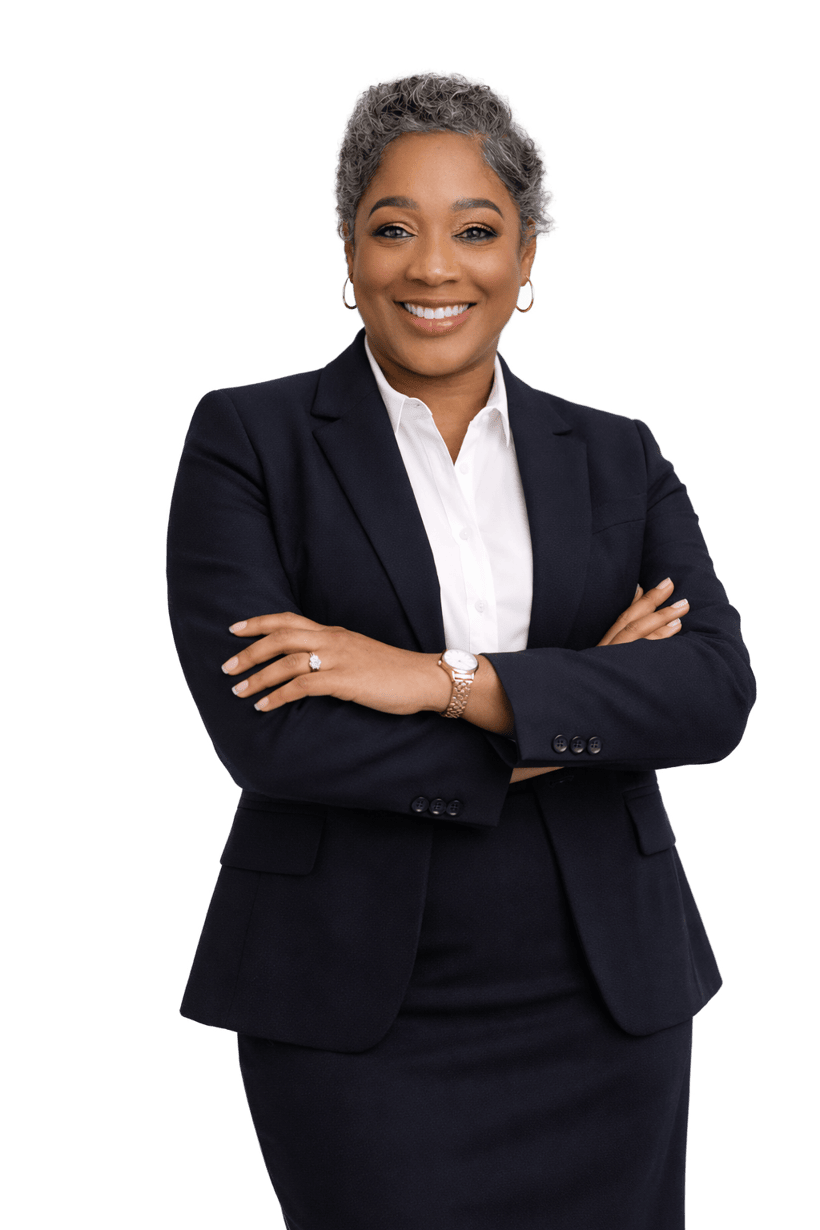
Sherida A. Santiago, MSOD
Baltimore, Maryland · Available nationally

Watch · 2025 promo reel
Expertise
A major utility company called about a millennial retention problem. But 14 anonymous interviews revealed something deeper. Employees who had never compared notes described the department in nearly identical terms: a pressure cooker,
constant firefighting,
and being thrown into the fire.
Organizational failures were eroding trust and overloading capable people. Nearly half the team was quietly considering leaving. The company needed to examine how work was managed to understand why people wanted out.
A founding pastor called about ministry training. As we explored the church’s needs, it became clear that too much depended on him. People needed the preparation, trust, and authority to take responsibility. The church’s growth had become limited by what one leader could personally carry.
Leaders are often close enough to see the symptoms clearly, yet too close to see the conditions producing them. That is not a lack of intelligence. It is the consequence of proximity.
The presenting concern matters, but understanding what drives it determines whether your investment produces lasting change. I help leaders uncover those underlying conditions and build practical solutions that put their time, resources, and attention where they will make the greatest difference.
Areas of focus
Sherida facilitates and teaches leaders how to create the conditions for strong team performance: clear roles, healthy communication, sound decision-making, trust, and shared accountability. This work addresses the challenges that keep teams stuck, including unclear expectations, conflict avoidance, leadership bottlenecks, low engagement, and repeated performance issues. Participants gain a clearer understanding of how leadership behavior, team systems, and daily practices shape results.
Her facilitation moves organizations beyond vision statements and strategic plans to the work of implementation. Leaders and teams examine what must change in their structures, processes, behaviors, and decision-making to deliver on organizational priorities. The focus is on building ownership, managing resistance, clarifying accountability, and establishing practical actions that remain in place after the engagement ends.
Through teaching and facilitation, Sherida develops the leadership, communication, and professional capabilities that help people grow and organizations retain strong talent. This work includes workforce readiness, career development, leadership pipelines, coaching, succession, and the transition from individual contributor to leader. Participants are equipped to take greater responsibility for their growth, contribution, and impact.
Sherida facilitates the conversations organizations need when important information is being withheld, misunderstood, or lost across levels. Participants learn to communicate with clarity, listen for what is beneath the surface, address difficult issues constructively, and build alignment around shared priorities. This work is particularly valuable when organizations are experiencing silos, inconsistent messaging, low trust, stakeholder tension, or decisions that repeatedly stall.
Proven impact
What follows is the diagnosis, the intervention, and what the organization was able to do afterward.
Leadership believed millennials were leaving because the environment did not suit them. I ran fourteen structured interviews under full anonymity. People independently used the same language to describe the place. Pressure cooker. Firefighting. Thrown in the fire. That convergence was the finding.
Between thirty six and forty six percent volunteered, unprompted, that they were considering leaving the company. Leadership did not have that number before the engagement. The real causes were four system conditions, none of them generational: accountability gaps, no structure for team learning, administrative overload, and supervisors too stretched to mentor.
The group is now self-sufficient with its own charter, membership, and funding. It is one of the premier organizations within the department and is completely self-directed with little involvement from upper management.
S. Anthony, MSEE, P.E.
Manager, Transmission and Substation Engineering
Written eighteen months after the engagement closed

A major American city committed to a 35 mile urban trail network as a tool against displacement. The political will existed. A shared operating structure, community trust, and a strategy grounded in what affected residents actually needed did not.
I interviewed community stakeholders in the most affected neighborhoods under full anonymity. They defined equity not as access but as repair. They named who was missing from the room, which was the people most exposed to displacement. I redesigned the engagement strategy around what they said, aligned the multi agency coalition on decision authority, and built a technical assistance framework for the agencies that were committed but under resourced.
Sherida’s ability to bring structure, focus, and equity-centered thinking to a complex, multi-stakeholder initiative was critical to the success of our collective efforts.
E. Abbott
Program lead, citywide trail and equity initiative
The senior pastor asked for ministry training. The church was not broken, it was founder dependent, which is a structural condition rather than a failure. Every decision routed through one person. That works at one scale and becomes a ceiling at the next.
I ran focus groups using appreciative inquiry across the ministries, returned the findings to leadership and congregation stakeholders, and facilitated a staff led workshop where the organization answered its own questions about how ministries coordinate and how leadership gets distributed.
Program demand was rising and staff were committed, but professionalism looked different depending on who you watched. Families had different experiences depending on which staff member they met. Leaders kept repeating the same corrections. That is not a motivation problem, it is a standards problem.
I designed and delivered a multi day engagement treating it as a systems reset rather than a motivational event, working through personal leadership, team execution, and how internal conduct shows up to families, funders, and partners.
22+ Years
Leadership and organization development experience across nonprofit, government, K–12, and higher education.
$1.8 Million
Directed Baltimore County’s youth workforce program and secured a 20% budget increase in the first year.
5 States
Secured Council on Accreditation (COA) program accreditation across five states while leading workforce strategy at a regional nonprofit.
+99 NPS
99.6% of respondents across 704 survey responses spanning five programs would recommend.
Keynotes & workshops
Three ways to work together, from a room that needs one idea worth carrying to a leadership team that needs to decide something and make it hold.
Keynotes & Interactive Workshops
For conferences, staff development days, and company meetings. A keynote that gives an audience one idea worth carrying, paired with a working session so people leave having practiced something rather than only heard it.
Public Speaking & Team Training
For associations, public events, and intact teams that need capability rather than inspiration. Sessions built around a specific capacity, whether communication, conflict, accountability, or engagement, with tools participants can use the same week.
Leadership Speaking & Group Facilitation
For leadership teams carrying a real decision or a stalled priority. Facilitated group work in which the team examines its own operating reality, decides what changes, and leaves owning the plan rather than holding notes on one.
Signature talks
How the words leaders choose either open an organization up or quietly teach people to stop talking.
For leaders and teams rebuilding trust and honest dialogueHolding a team together through conflict, pressure, and change without trading honesty for the appearance of peace.
For teams navigating conflict or organizational changeBuilding the conditions where people at every level raise a problem before it becomes expensive.
For organizations seeking earlier, clearer employee voiceSelected stages
United Nations International Women's Day, Washington DC
European Space Agency, Amsterdam
Institute for Economics and Peace, Sydney
George Washington University School of Medicine
Mayor Brandon Scott's Youth Summit, Baltimore
Baltimore Together Summit, Baltimore

What participants say when the survey is anonymous
Across five programs, 704 participants shared feedback about their experience. What stood out was not simply that they enjoyed the material. They valued facilitation that was honest, practical, and personal.
Participants repeatedly said they wanted the truth about their professional development and what employers actually expect. They responded to clear guidance they could apply immediately, not vague encouragement. In follow-up interviews, most coaching clients had already taken meaningful action toward a personal, professional, or business goal.
The consistent message was simple: people want more time. The experience was valuable enough that the most common request was for a longer session.
Denominators vary because not every question appeared in every programme.
Insights & media
Explore articles, conversations, and media appearances where I examine how leadership decisions shape trust, culture, and performance. Drawing on years of practice and my ongoing doctoral research, I offer ideas you can use to understand your organization and lead with greater clarity.
Writing and research

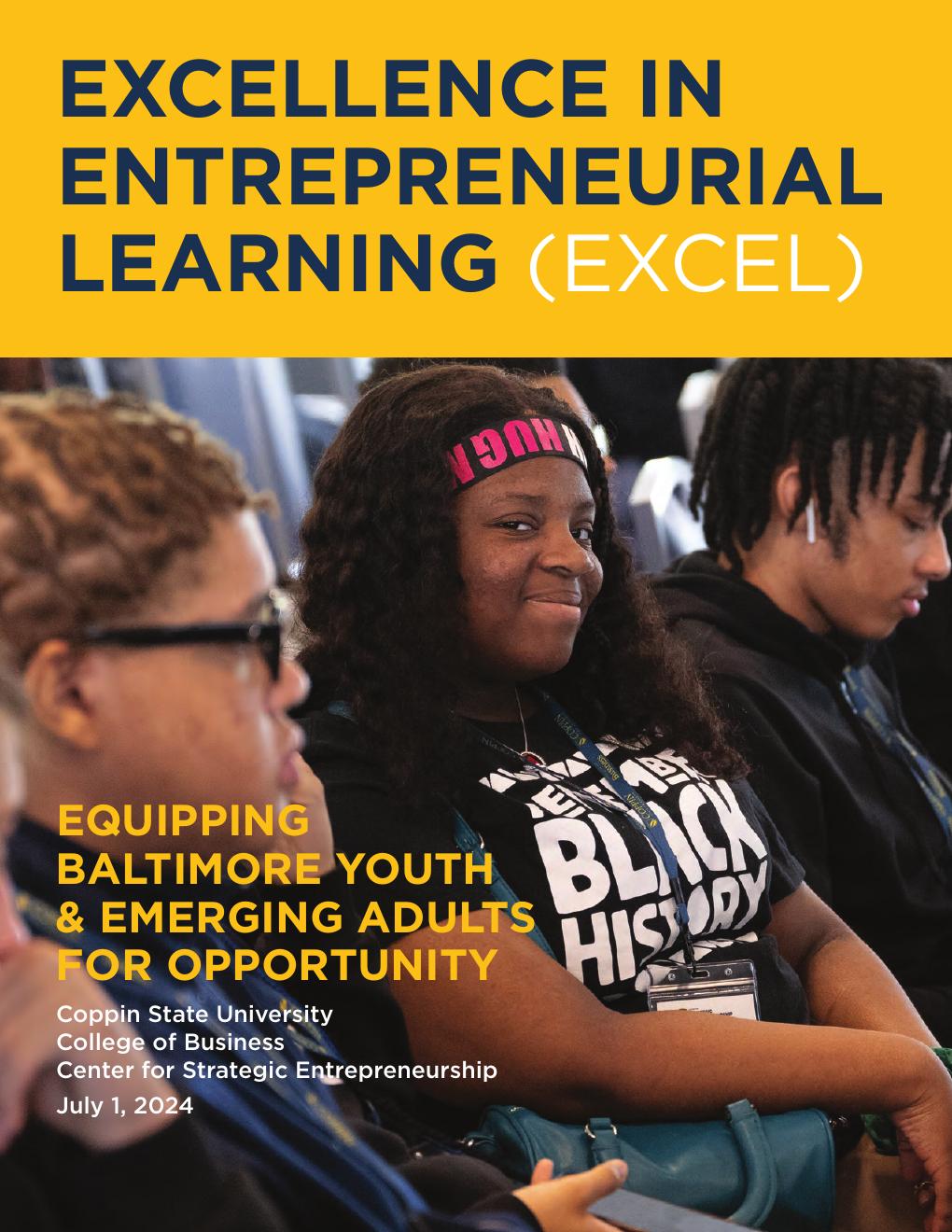
Equipping Baltimore Youth and Emerging Adults for Opportunity. Center for Strategic Entrepreneurship, College of Business, Coppin State University. A study of entrepreneurship instruction across Baltimore City for learners aged sixteen to twenty nine. Principal Investigator Ronald C. Williams. Co-Principal Investigator Mona Calhoun.

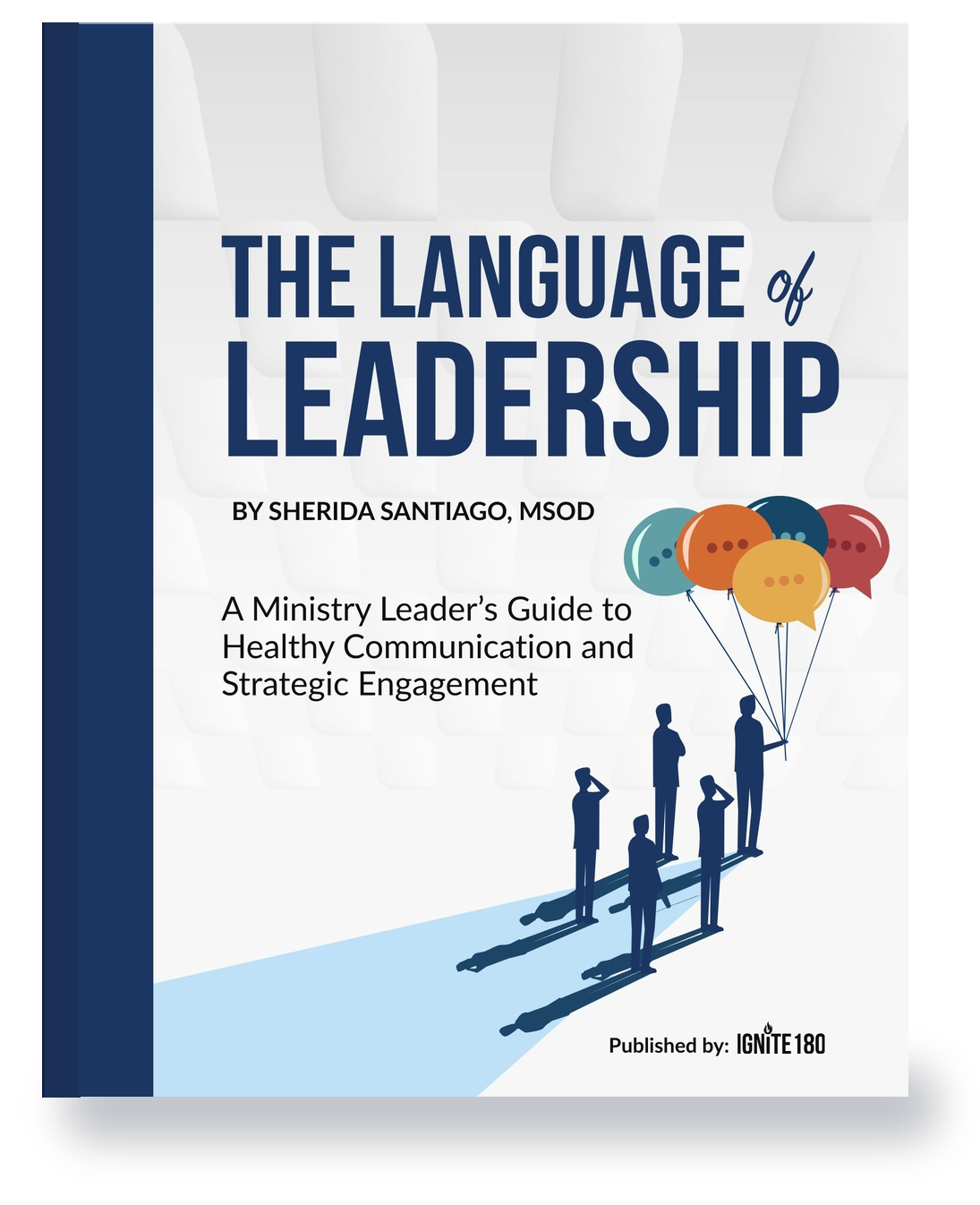
A practical guide to the communication habits that shape whether a team tells its leader the truth.
Press and recognition
On what retirement looks like for people still financially supporting adult children or aging parents, and why supporting dependents in retirement has become either a choice or a necessity in the current economy.
One of seventeen faculty selected across the system.
A sit-down with BmoreNews' DBA Channel on organization development, the leadership patterns behind stubborn workplace problems, and the questions driving my research.
A conversation on accountability, empathy in leadership, and what it takes to turn both into action.
About

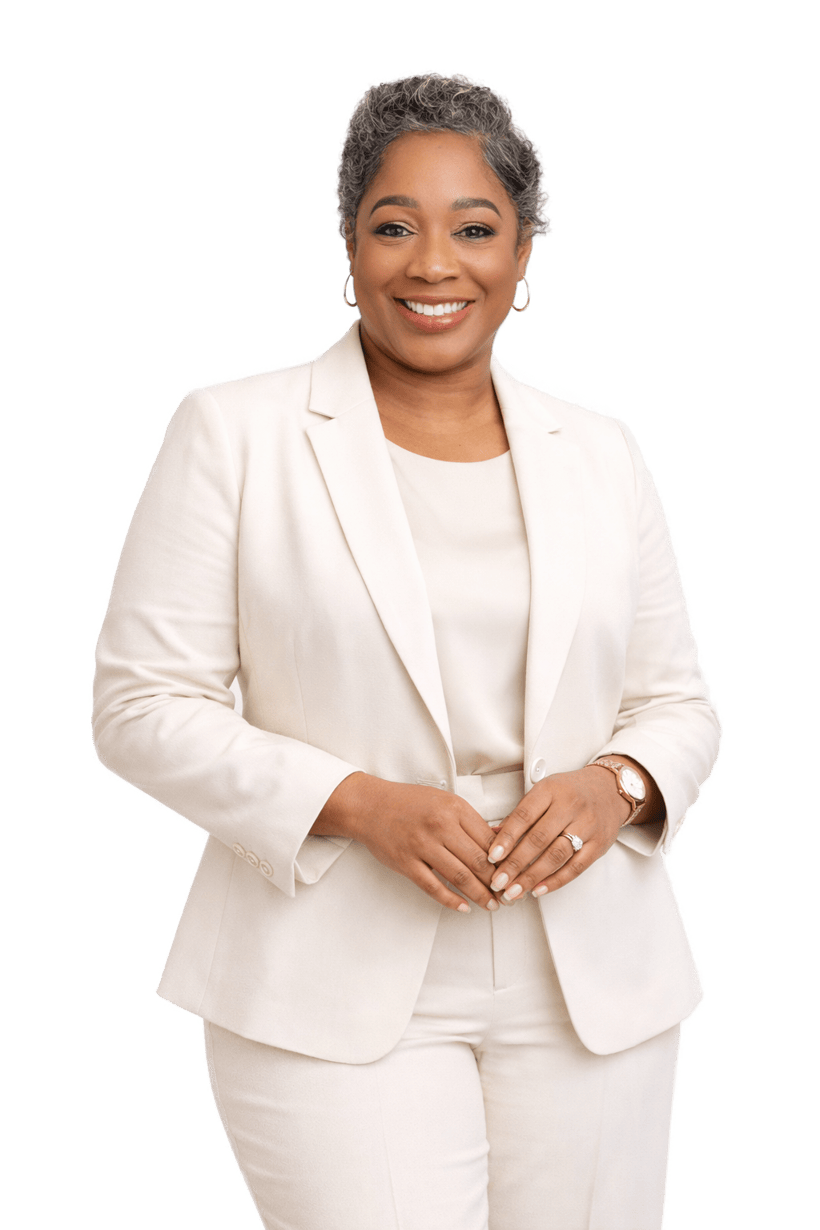
Sherida A. Santiago is a scholar-practitioner, educator, and organization development strategist who helps leaders and organizations navigate the human side of performance, growth, and change. Her work examines what sits beneath organizational challenges and equips leaders to address the patterns shaping culture, communication, accountability, and team effectiveness.
In the Department of Management and Marketing at Coppin State University's College of Business, she advances innovative learning, connects students with industry insight, and prepares emerging professionals to lead in an increasingly complex workplace.
Her work with organizations focuses on team-based challenges that cannot be solved through training alone. By bringing research, practical experience, and organizational insight together, Santiago helps leaders understand what is happening beneath the surface, take responsibility for what must change, and build healthier, stronger, and more effective teams and organizations.
Education, certification, and recognition
Contact
Let’s discuss how I can help you uncover what is holding progress back and equip your people to move forward with clarity and confidence.

If something in your organization has stopped moving and you are not certain why, that is the conversation I am best at. Bring it as it actually is rather than as it should look on paper.
Download my speaker one-pager with signature talks, past stages, and booking details, ready to share with your team or committee.
Download the one-pager